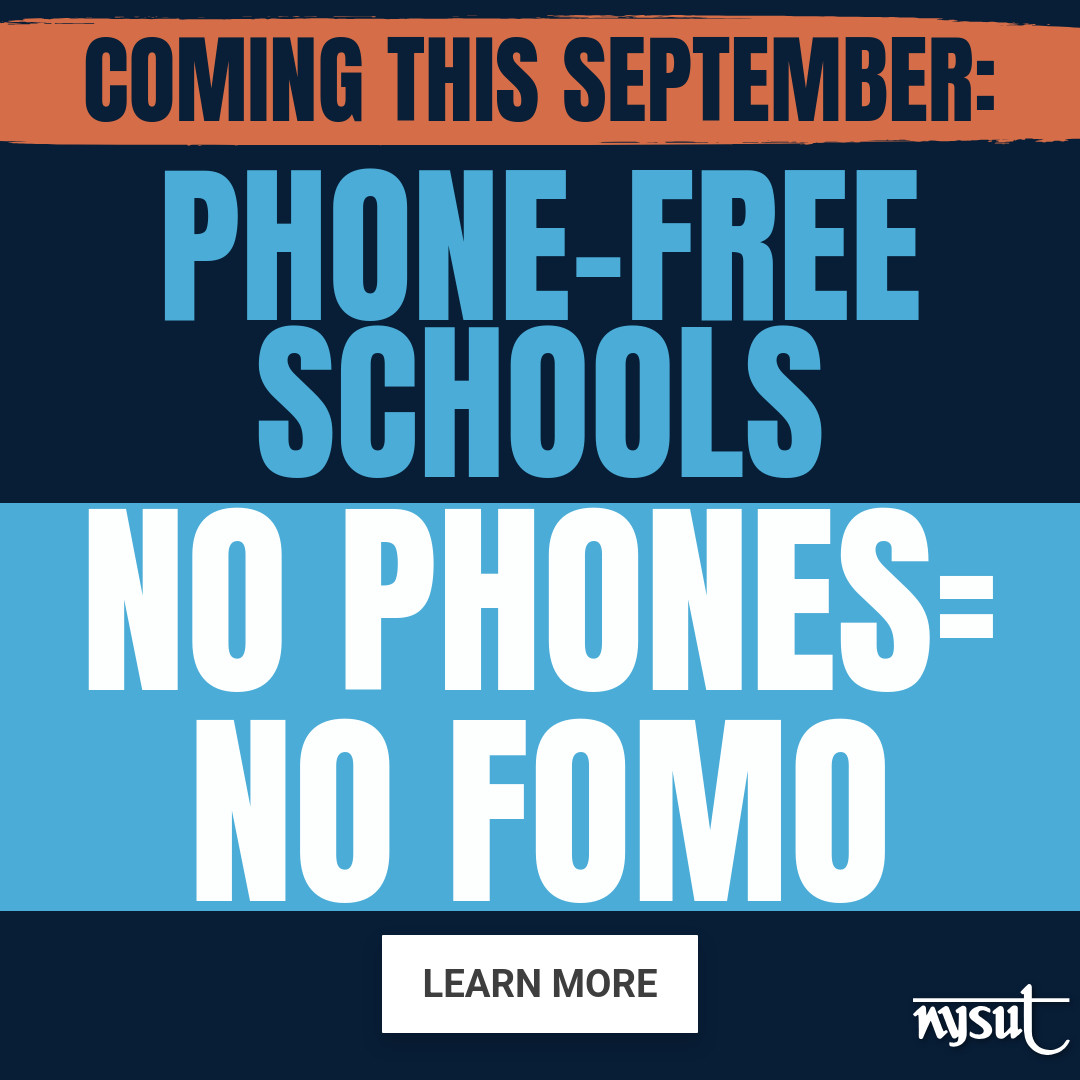
Disconnected Paid Advertising Campaign
After a year-long government affairs and advocacy campaign, NYSUT secured bell-to-bell restrictions on digital devices in the 2025–26 state budget. With the policy signed into law, the union shifted its focus to helping educators and families prepare for the transition.
The public-facing campaign included TV spots, digital video, and display and search ads. Video content featured real parents and educators speaking to the benefits of phone-free schools and what the change would mean for student health and wellbeing. The ads also worked to frame the policy as a statewide initiative — not a district-by-district decision — and spotlighted districts where phone-free policies were already working.
The campaign launched in the summer before students began their first distraction-free school year in September 2025 and ran into the early fall. A second phase had been planned in case adoption proved contentious, but it turned out to be unnecessary. Within weeks of the school year starting, implementation was going smoothly, with very little pushback from parents, students or the media.
Key Targets & Messaging
The campaign spoke to three primary audiences, each with distinct concerns and information needs.
Parents & Families
This was the campaign's broadest audience. Many were hearing about the bell-to-bell policy for the first time, and some had understandable concerns about not being able to reach their children during the school day. Messaging for this group focused on explaining what the policy meant in practice, reassuring families that schools had protocols in place for emergencies, and reinforcing the benefits — better focus, fewer distractions, and improved mental health and social development for their kids. Where possible, we highlighted real success stories from districts that had already gone phone-free.
Educators & NYSUT Members
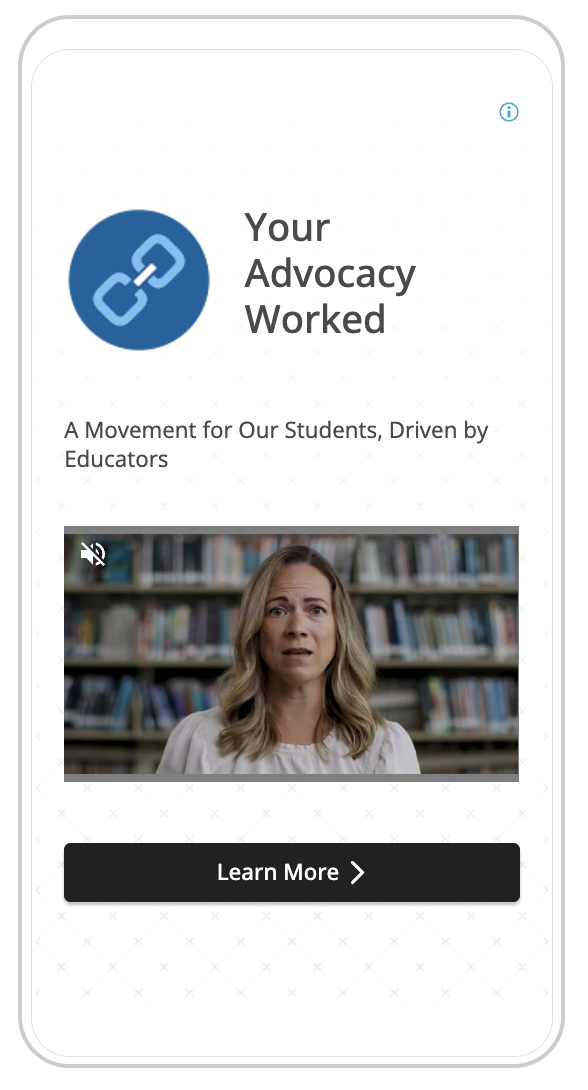
Our members were already largely supportive of the policy, so the messaging goal was different: recognition and empowerment. We wanted members to know that their union had led this fight from the very beginning — from the Disconnected conference in 2024 through the legislative push — and that this was a win they could take pride in. Ads aimed at this audience also helped equip educators with talking points and confidence as they prepared to enforce the new rules in their classrooms.
General Public
Broader awareness messaging was designed to build support for the policy and establish it as a serious, statewide initiative backed by educators, parents and the governor. These messages emphasized that New York was part of a growing national movement to address technology addiction as a public health issue and positioned NYSUT as a credible, trusted voice in the conversation.
Search Ads
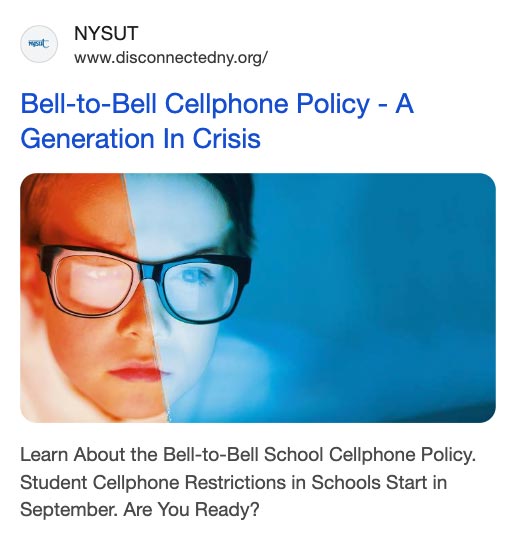
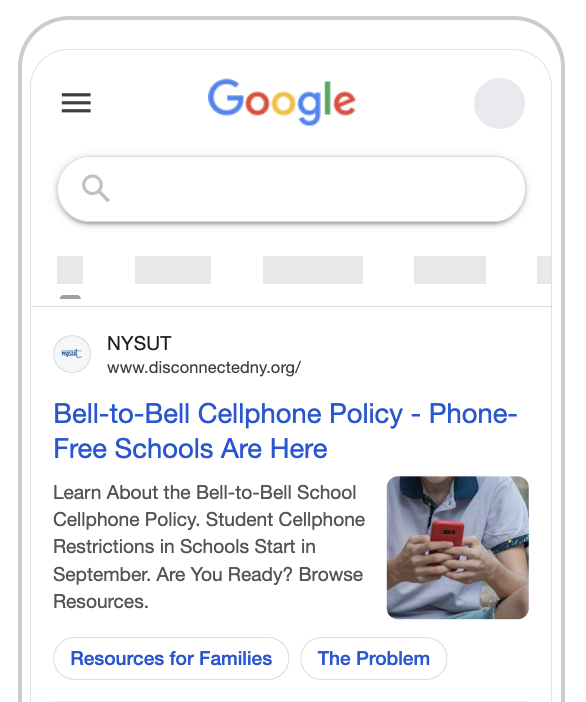
With a new statewide cellphone policy taking effect, we knew parents, students and educators would be actively searching for information. We invested heavily in search ads to meet that demand, making sure people looking for answers found accurate, reassuring content from NYSUT and the Disconnected campaign rather than misinformation or speculation.
Display Ads
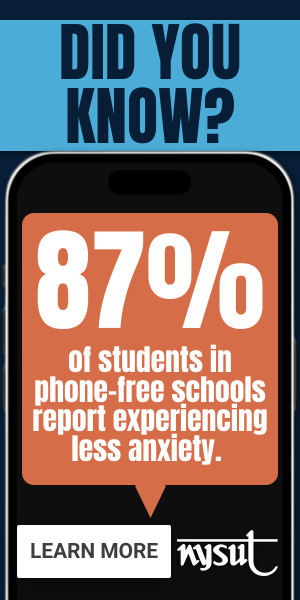
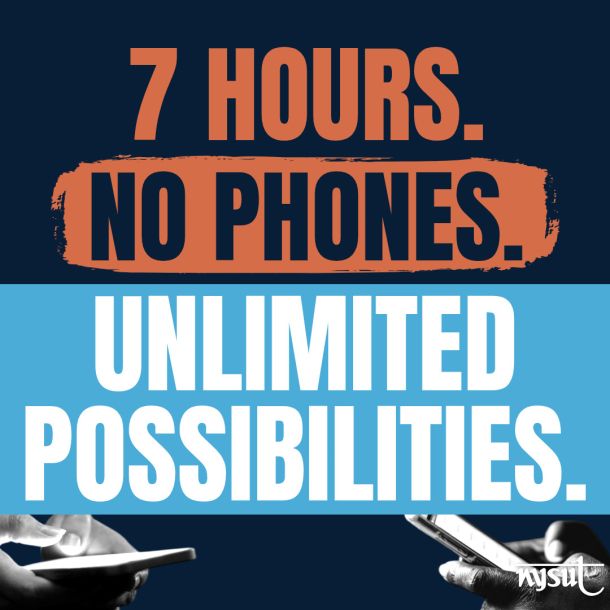
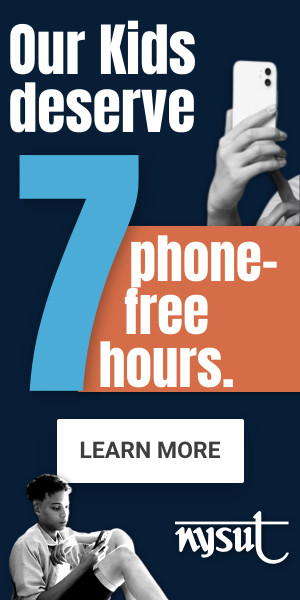
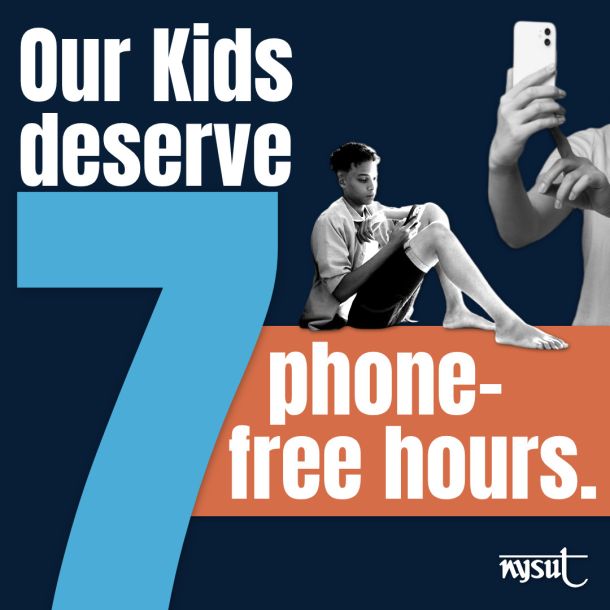
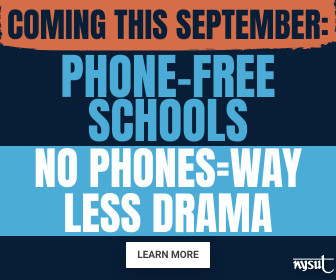
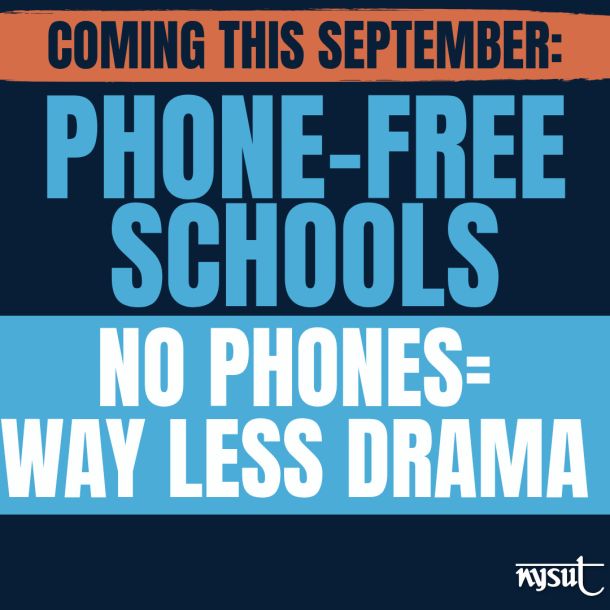
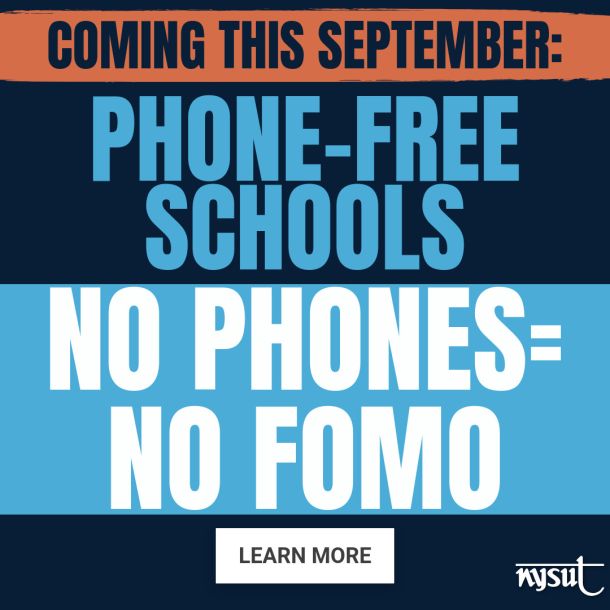
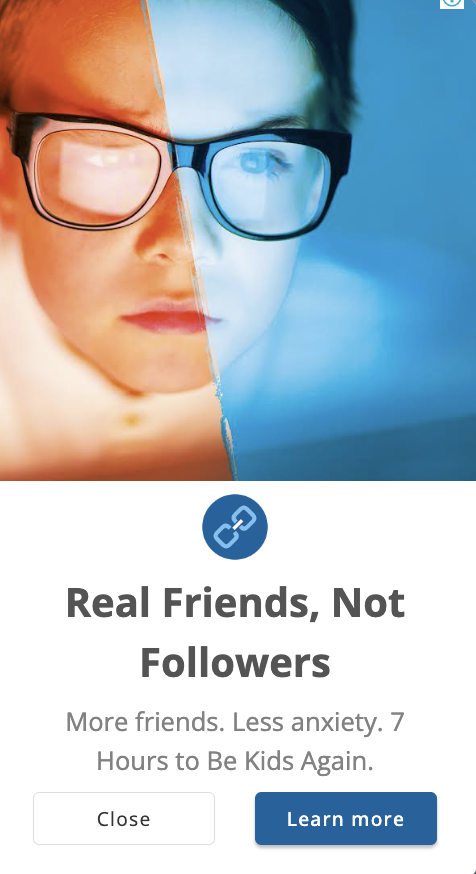
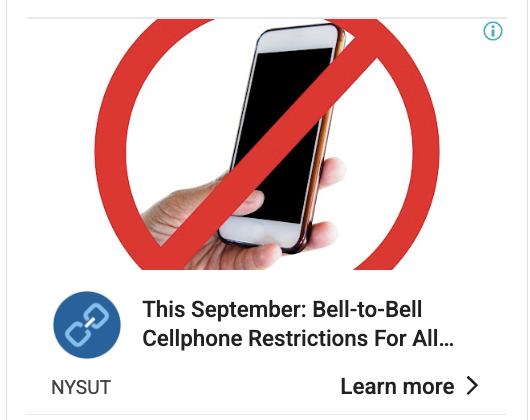
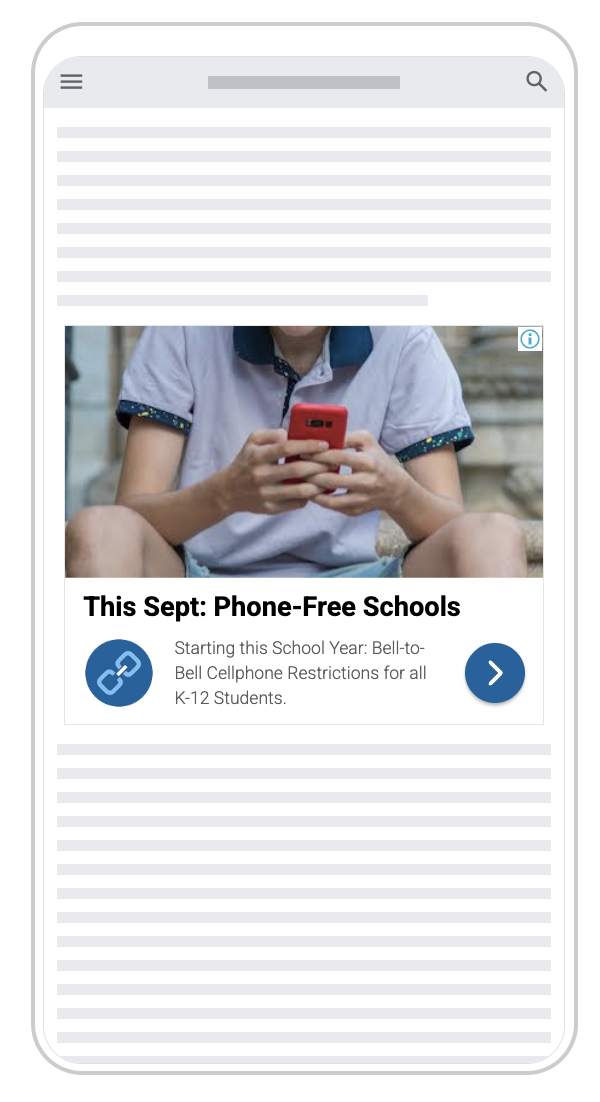
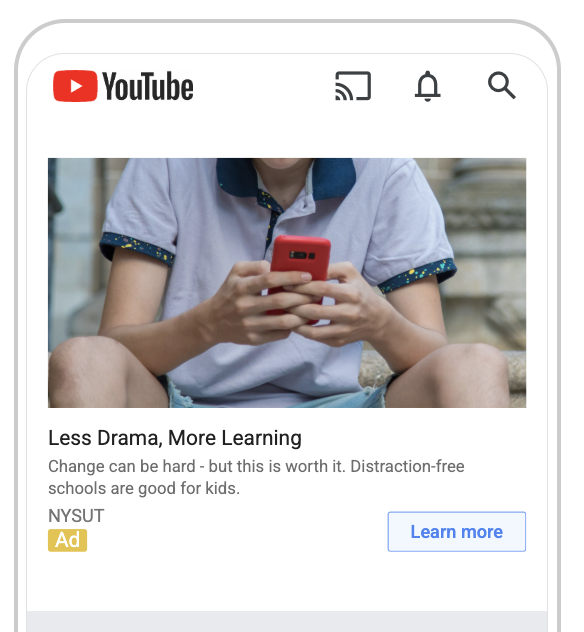
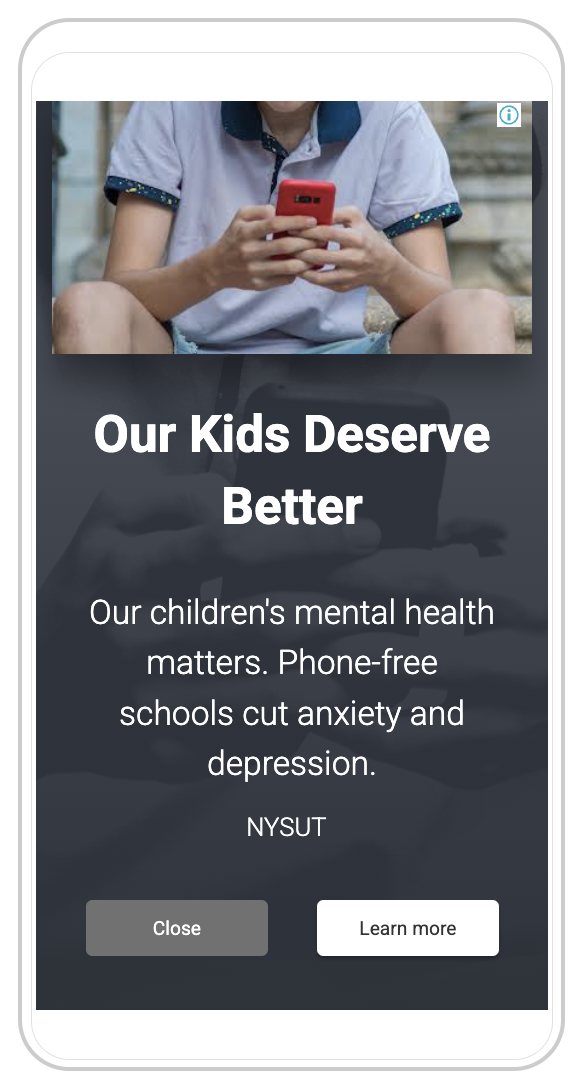
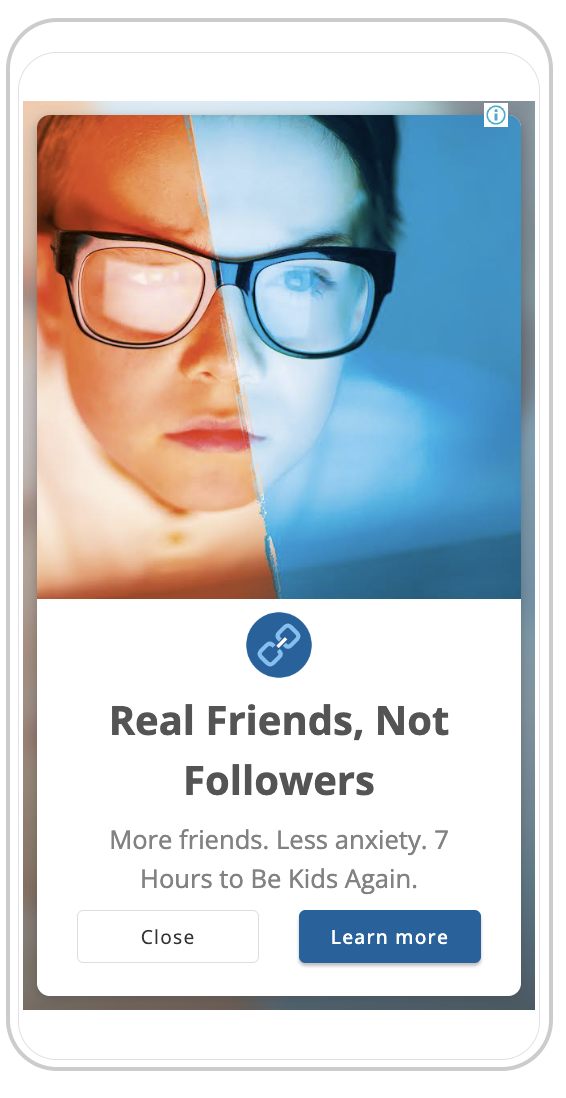
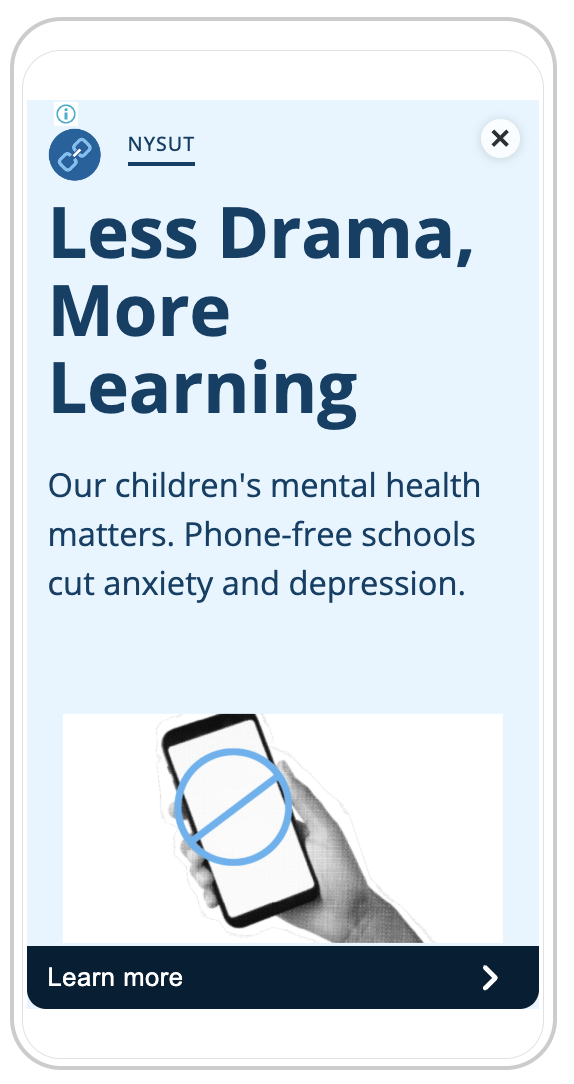
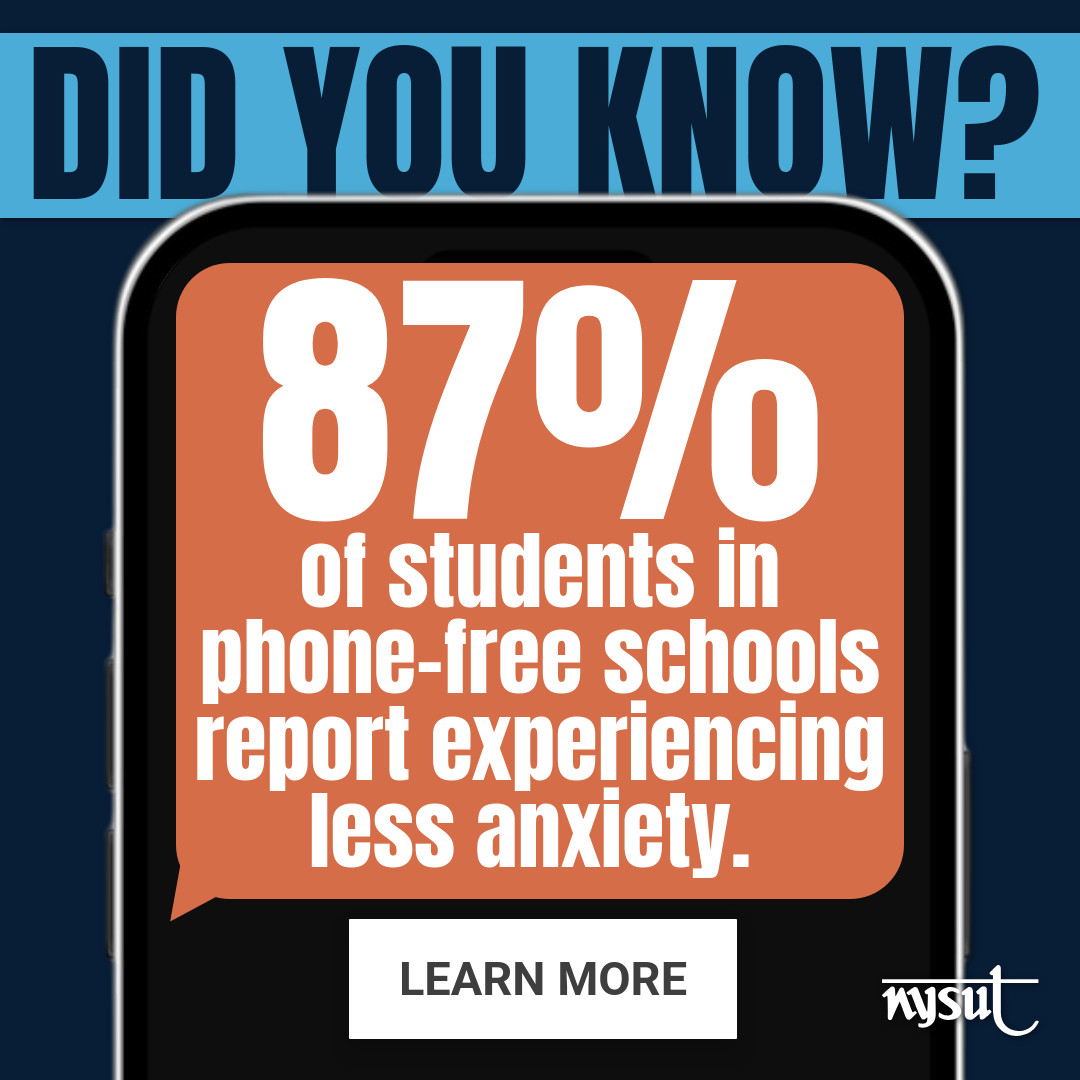
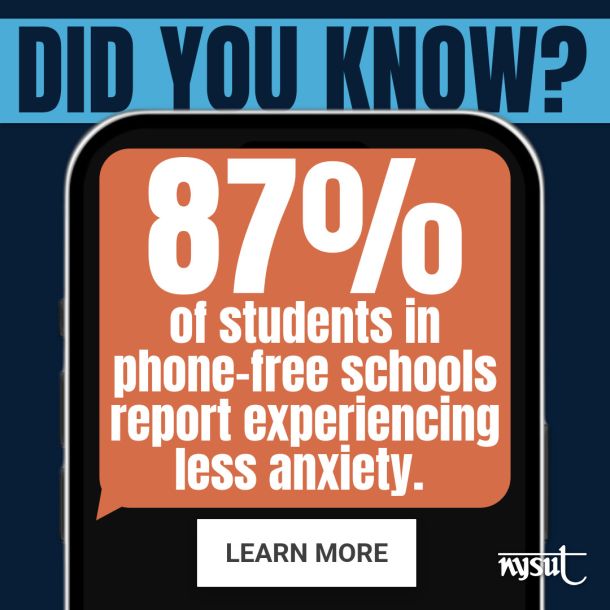
To reach audiences who might not yet be aware of the new policy, we ran PSA-style display ads throughout the summer and into the early weeks of the school year. Messaging was tailored by audience: for parents, the ads explained the policy and addressed common concerns; for NYSUT members, the ads reinforced that their union had been a driving force behind getting the bell-to-bell restrictions enacted statewide.
TV & Video Ads
We complemented the display effort with TV and digital video placements across YouTube, CTV, and OTT platforms. These ads featured direct-to-camera interviews with real parents and educators — including those from districts that had already adopted phone-free policies before the statewide law — sharing their firsthand experiences to help ease the transition for families across New York. In addition to 15- and 30-second spots, we ran longer-form video ads on YouTube, which performed especially well.